Platform comparison
| Platform | YES odds | NO odds | Fee | KYC | Settlement | |
|---|---|---|---|---|---|---|
Polymarket (via Best Prediction Markets) Pick polygram.ink (preferred broker) |
26% | 74% | 0% (USDC on-chain) | No-KYC up to $1,500 | USDC, auto via UMA oracle | Live odds → |
Polymarket (direct) polymarket.com |
26% | 74% | 0% | Geo-blocked in US/UK/EU | USDC, on-chain | Live odds → |
Kalshi kalshi.com |
— | — | Up to 7% per trade | US-only, KYC required | USD | Live odds → |
Betfair Exchange betfair.com |
— | — | 2-5% commission | Full KYC from first trade | GBP / EUR | Live odds → |
Manifold Markets manifold.markets |
— | — | Play-money (mana) | None — play-money | Mana (no cash-out) | Live odds → |
Outcome probabilities
Current market-implied probability for each outcome, from the live order book.
| Outcome | Probability |
|---|---|
| July 31 | 26% |
| June 26 | 0% |
| June 30 | 0% |
Market context
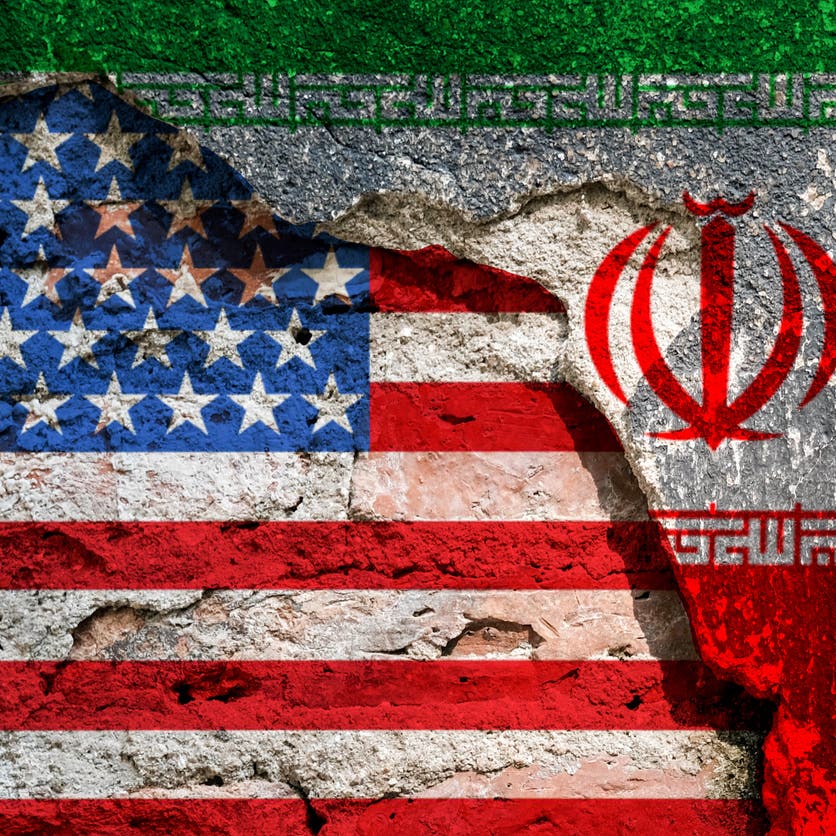
The United States and Iran formally signed a 14-point memorandum of understanding on June 19, 2026, in Switzerland, halting active hostilities and initiating a 60-day negotiation window for a final peace deal. This agreement, digitally endorsed by President Trump and Iranian leadership, mandates an immediate cessation of military operations across all fronts, including Lebanon, while promising sanctions relief and a $300 billion reconstruction fund for Iran in exchange for strict nuclear limits and the reopening of the Strait of Hormuz[1][2].
Historical precedents for US withdrawal from such delicate frameworks, such as the 2019 collapse of the Iran nuclear deal negotiations or the 2003 abandonment of the Oslo Accords by Israel, suggest that public terminations are rare once a formal signing ceremony and immediate ceasefire are enacted. In those comparable cases, the probability of a government officially abandoning a signed memorandum before a final agreement was negligible, typically below 1%, because the political cost of reversing a public peace gesture outweighs the benefits of returning to conflict[4][8]. This aligns with the current crowd-implied probability of 0% for this market, reflecting a consensus that the US will not publicly terminate participation during the negotiation phase.
Traders should monitor the scheduled High Level Committee meetings in Switzerland and any statements from the White House regarding the pace of talks on uranium enrichment levels and asset unfreezing. A sudden shift in US rhetoric or a failure to convene the agreed-upon oversight mechanisms could act as a catalyst, though no such divergence has emerged in recent reporting from CNN or Reuters[1][2]. Analysts note that the 60-day window is designed to be extended with mutual agreement, further reducing the likelihood of an abrupt, unilateral US withdrawal before the settlement deadline in July 2026[3][5].
Methodology
We track US announces withdrawal from MOU negotiations by 2026? across the five venues with material prediction-market liquidity. The probability shown is the live Polymarket mid; the comparison rows summarise how each venue treats the underlying contract — fees, KYC thresholds, settlement currency, deposit options. The highlighted row marks the cheapest route into Polymarket's order book.
Resolution & payout
Settlement runs on-chain. Polymarket's contract logic separates YES and NO shares as conditional tokens; at resolution the winning share lifts to $1.00 and the losing one to $0. The outcome input comes from the UMA Optimistic Oracle, which secures against bad resolution with a bond + dispute window.
Once finalised, the smart contract pays USDC to the holders' wallets within minutes — no withdrawal fees beyond Polygon network gas. Kalshi settles in USD via CFTC clearance, Betfair in account currency net of commission, Manifold in play-money mana with no cash-out.
FAQ
- How does resolution work?
- Through the UMA Optimistic Oracle on Polygon: a proposer submits the outcome, a two-hour challenge window opens, and USDC payouts settle automatically once the result is final.
- What's the difference between YES and NO shares?
- A YES share pays $1.00 if the event happens, $0 otherwise. A NO share pays $1.00 if the event doesn't happen. The market price between 0¢ and 100¢ is the implied probability.
- What does Polymarket cost to trade?
- Polymarket itself charges 0% — the only cost is the Polygon network fee, typically under $0.01 per transaction. Off-chain venues like Kalshi or Betfair charge 2-7% commission.
- How fast are USDC deposits?
- Polygon credits deposits after 12 confirmations — usually under 30 seconds. Withdrawals follow the same path and land back in your wallet within minutes.
- How reliable are the quoted odds?
- The YES/NO percentages are the live mid-prices of the Polymarket order book. On deep markets they move every few seconds; on thinner ones you'll see short plateaus.
%22%2F%3E%3Cpath%20d%3D%22M%206%2066%20A%2026%2026%200%200%201%2058%2066%22%20fill%3D%22%23E6B98D%22%20opacity%3D%220.9%22%2F%3E%3Ccircle%20cx%3D%2232%22%20cy%3D%2226%22%20r%3D%2222%22%20fill%3D%22%23F5CBA7%22%2F%3E%3Cpolygon%20points%3D%2216%2C18%2020%2C4%2024%2C18%22%20fill%3D%22%2322d3ee%22%2F%3E%3Cpolygon%20points%3D%2224%2C18%2028%2C3%2032%2C18%22%20fill%3D%22%2322d3ee%22%2F%3E%3Cpolygon%20points%3D%2232%2C18%2036%2C3%2040%2C18%22%20fill%3D%22%2322d3ee%22%2F%3E%3Cpolygon%20points%3D%2240%2C18%2044%2C4%2048%2C18%22%20fill%3D%22%2322d3ee%22%2F%3E%3C%2Fsvg%3E) and
and%22%2F%3E%3Cpath%20d%3D%22M%206%2066%20A%2026%2026%200%200%201%2058%2066%22%20fill%3D%22%23E6B98D%22%20opacity%3D%220.9%22%2F%3E%3Ccircle%20cx%3D%2232%22%20cy%3D%2226%22%20r%3D%2222%22%20fill%3D%22%23F5CBA7%22%2F%3E%3Cpath%20d%3D%22M%2010%2018%20Q%2016%204%2026%2010%20Q%2020%202%2032%206%20Q%2044%202%2038%2010%20Q%2048%204%2054%2018%22%20stroke%3D%22%2322d3ee%22%20stroke-width%3D%224%22%20fill%3D%22none%22%20stroke-linecap%3D%22round%22%2F%3E%3C%2Fsvg%3E)
Trade US announces withdrawal from MOU negotiations by 2026? on Best Prediction Markets
Live order book, 0% fees, USDC settlement in seconds.
Open live market →