Platform comparison
| Platform | YES odds | NO odds | Fee | KYC | Settlement | |
|---|---|---|---|---|---|---|
Polymarket (via Best Prediction Markets) Pick polygram.ink (preferred broker) |
6% | 94% | 0% (USDC on-chain) | No-KYC up to $1,500 | USDC, auto via UMA oracle | Live odds → |
Polymarket (direct) polymarket.com |
6% | 94% | 0% | Geo-blocked in US/UK/EU | USDC, on-chain | Live odds → |
Kalshi kalshi.com |
— | — | Up to 7% per trade | US-only, KYC required | USD | Live odds → |
Betfair Exchange betfair.com |
— | — | 2-5% commission | Full KYC from first trade | GBP / EUR | Live odds → |
Manifold Markets manifold.markets |
— | — | Play-money (mana) | None — play-money | Mana (no cash-out) | Live odds → |
Outcome probabilities
Current market-implied probability for each outcome, from the live order book.
| Outcome | Probability |
|---|---|
| September 30 | 6% |
| August 31 | 2% |
Market context
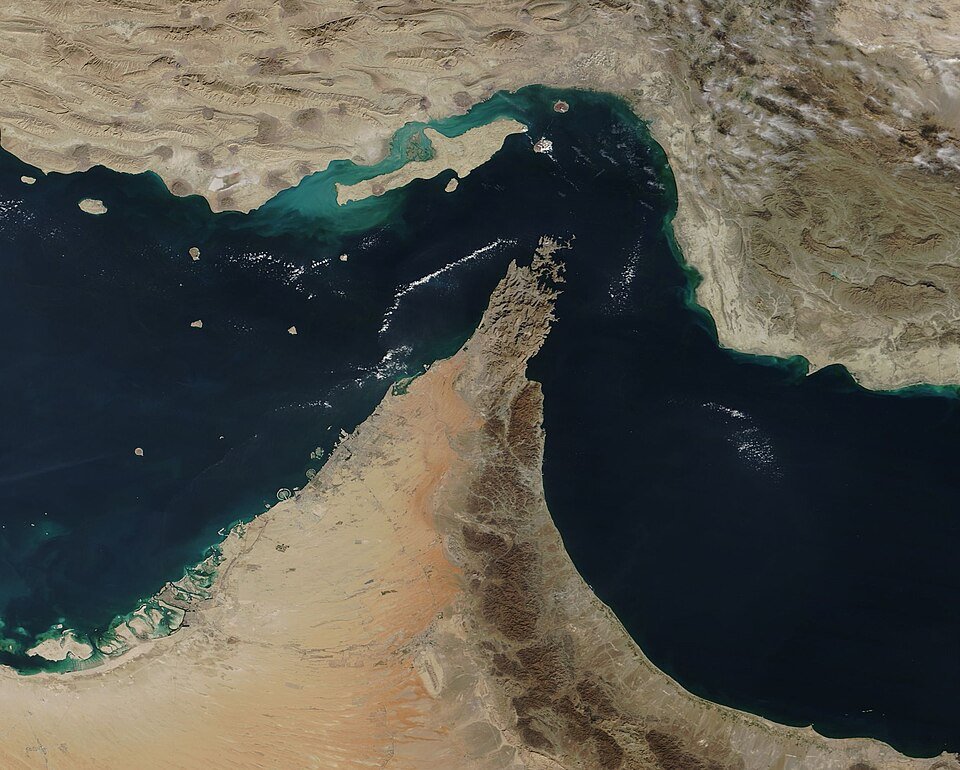
The practical hurdle for this market is not whether the islands matter strategically, but whether any of them actually fall out of Iranian hands before the deadline. Farsi is a tiny IRGC naval outpost under recognised Iranian sovereignty, while Hormuz and Hengam sit inside Iran’s island chain guarding the Strait of Hormuz; Kharg is better known as an energy export hub than as a vulnerable frontier position, and there is no open-source sign of any state or internationally backed authority displacing Iran on any of them.[1][13][15]
That historical framing helps explain why the crowd-implied 2% YES looks consistent with a very high bar. Comparable cases around Farsi have centred on temporary incidents, detentions, naval standoffs, or disputed access, not durable loss of control, and the market rules explicitly exclude raids, brief landings, bombardment, or offshore pressure without an actual transfer of authority.[11][14] In odds terms, prediction markets are effectively pricing this as a remote tail event, and that is directionally in line with the absence of any credible sportsbook-style broad consensus for a control change before late September.
Traders should watch for formal military announcements, reported withdrawals or redeployments, and any negotiated transfer language involving Iranian, Gulf, or external actors; absent that, even heightened strikes around the Strait of Hormuz would not meet the settlement standard. Recent reporting on the island set has focused on their role in Strait security and on renewed wartime speculation after U.S. strikes elsewhere in the area, but nothing in that coverage points to an established replacement authority on the islands themselves.[15] The main dependency is simple: an actual change of primary governmental or military control must be visible on the ground, not merely inferred from threats, damage, or maritime disruption.[11]
Methodology
Methodologically we separate two layers: the live probability (Polymarket mid-price) and the platform attributes (fee, KYC, settlement currency, payment rails). That keeps the comparison honest — a single canonical probability across the row, with the venue-by-venue trade-offs spelt out in the columns next to it.
Resolution & payout
Settlement runs on-chain. Polymarket's contract logic separates YES and NO shares as conditional tokens; at resolution the winning share lifts to $1.00 and the losing one to $0. The outcome input comes from the UMA Optimistic Oracle, which secures against bad resolution with a bond + dispute window.
Once finalised, the smart contract pays USDC to the holders' wallets within minutes — no withdrawal fees beyond Polygon network gas. Kalshi settles in USD via CFTC clearance, Betfair in account currency net of commission, Manifold in play-money mana with no cash-out.
FAQ
- Is this market available outside the US?
- Polymarket itself is geo-blocked in the US/UK/EU. Always check the legal status of prediction markets in your jurisdiction before trading.
- How does resolution work?
- Through the UMA Optimistic Oracle on Polygon: a proposer submits the outcome, a two-hour challenge window opens, and USDC payouts settle automatically once the result is final.
- What's the difference between YES and NO shares?
- A YES share pays $1.00 if the event happens, $0 otherwise. A NO share pays $1.00 if the event doesn't happen. The market price between 0¢ and 100¢ is the implied probability.
- Do I need to KYC for this market?
- On Polymarket directly, no — it's wallet-based. Intermediary brokers like Best Prediction Markets trigger KYC only above $1,500 of lifetime trading volume; under that you trade pseudonymously with a single wallet address.
- How reliable are the quoted odds?
- The YES/NO percentages are the live mid-prices of the Polymarket order book. On deep markets they move every few seconds; on thinner ones you'll see short plateaus.
%22%2F%3E%3Cpath%20d%3D%22M%206%2066%20A%2026%2026%200%200%201%2058%2066%22%20fill%3D%22%23E6B98D%22%20opacity%3D%220.9%22%2F%3E%3Ccircle%20cx%3D%2232%22%20cy%3D%2226%22%20r%3D%2222%22%20fill%3D%22%23F5CBA7%22%2F%3E%3Cpolygon%20points%3D%2216%2C18%2020%2C4%2024%2C18%22%20fill%3D%22%2322d3ee%22%2F%3E%3Cpolygon%20points%3D%2224%2C18%2028%2C3%2032%2C18%22%20fill%3D%22%2322d3ee%22%2F%3E%3Cpolygon%20points%3D%2232%2C18%2036%2C3%2040%2C18%22%20fill%3D%22%2322d3ee%22%2F%3E%3Cpolygon%20points%3D%2240%2C18%2044%2C4%2048%2C18%22%20fill%3D%22%2322d3ee%22%2F%3E%3C%2Fsvg%3E) and
and%22%2F%3E%3Cpath%20d%3D%22M%206%2066%20A%2026%2026%200%200%201%2058%2066%22%20fill%3D%22%23E6B98D%22%20opacity%3D%220.9%22%2F%3E%3Ccircle%20cx%3D%2232%22%20cy%3D%2226%22%20r%3D%2222%22%20fill%3D%22%23F5CBA7%22%2F%3E%3Cpath%20d%3D%22M%2010%2018%20Q%2016%204%2026%2010%20Q%2020%202%2032%206%20Q%2044%202%2038%2010%20Q%2048%204%2054%2018%22%20stroke%3D%22%2322d3ee%22%20stroke-width%3D%224%22%20fill%3D%22none%22%20stroke-linecap%3D%22round%22%2F%3E%3C%2Fsvg%3E)
Trade Farsi, Hengam, Hormuz or Kharg Island no longer unde… on Best Prediction Markets
Live order book, 0% fees, USDC settlement in seconds.
Open live market →