Platform comparison
| Platform | YES odds | NO odds | Fee | KYC | Settlement | |
|---|---|---|---|---|---|---|
Best Prediction Markets Pick polygram.ink |
22% | 78% | 0% (USDC on-chain) | No-KYC up to $1,500 | USDC, auto via UMA oracle | Open on Best Prediction Markets → |
Polymarket polymarket.com |
22% | 78% | 0% | Geo-blocked in US/UK/EU | USDC, on-chain | Open on Best Prediction Markets → |
Kalshi kalshi.com |
— | — | Up to 7% per trade | US-only, KYC required | USD | Open on Best Prediction Markets → |
Betfair Exchange betfair.com |
— | — | 2-5% commission | Full KYC from first trade | GBP / EUR | Open on Best Prediction Markets → |
Manifold Markets manifold.markets |
— | — | Play-money (mana) | None — play-money | Mana (no cash-out) | Open on Best Prediction Markets → |
Live odds for Polymarket-based markets come from the Polygon order book. Non-Polymarket venues show attributes only; clicking any row opens the market on Best Prediction Markets.
Market context
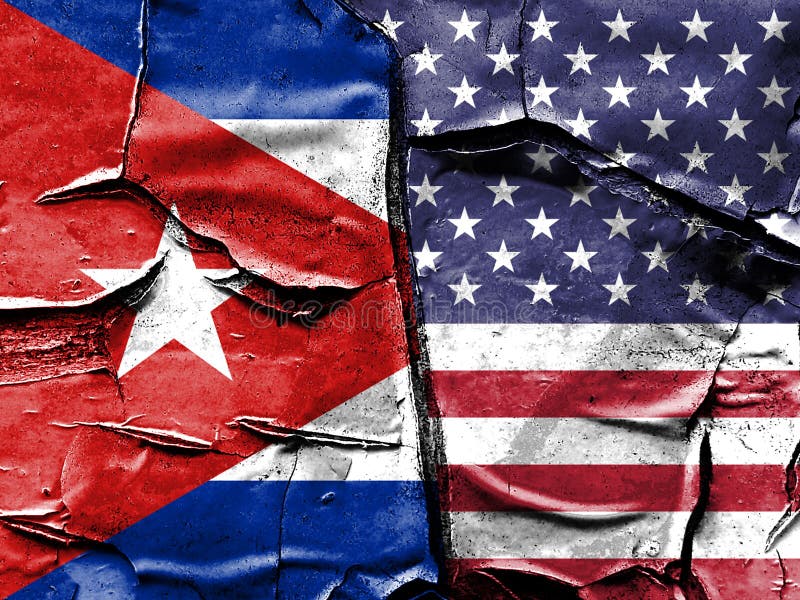
A military invasion of Cuba by the United States would represent a fundamental rupture in post-Cold War hemispheric relations. The 22% implied probability reflects genuine geopolitical tension, yet remains substantially lower than the existential threat assessments that characterised the 1962 Cuban Missile Crisis or the Bay of Pigs planning phase. Current U.S.–Cuba relations, though adversarial under the Biden administration, have not escalated to the point where invasion planning features in mainstream policy discourse or congressional debate.
Historical precedent suggests the bar for U.S. military intervention in Cuba remains extraordinarily high. The 1961 Bay of Pigs invasion—a CIA-backed operation that failed to dislodge Fidel Castro—established a cautionary template that has shaped American strategic thinking for six decades. No subsequent administration, including those with hawkish foreign policy records, has seriously pursued direct military conquest of the island. The current probability may reflect tail-risk scenarios: a major terrorist attack attributed to Cuban actors, a humanitarian catastrophe triggering intervention justifications, or a dramatic shift in regional power dynamics involving Chinese or Russian military presence on the island.
Traders should monitor statements from the incoming Trump administration regarding Cuba policy, given his previous rhetoric on the subject, alongside any developments concerning Venezuelan–Cuban military coordination or reported weapons transfers. Congressional hearings on Cuba, statements from the Pentagon regarding Caribbean contingency planning, and announcements regarding U.S. naval deployments in the region would signal shifting risk assessments. The absence of such signals through mid-2026 would likely compress the probability further.
Methodology
We track Will the U.S. invade Cuba in 2026? on the five venues with material liquidity for prediction markets. Live odds come from the Polymarket Polygon order book — the only source that ships real-time data under an open licence. For Kalshi, Betfair and Manifold we list platform attributes (fee, KYC, settlement, payment) instead of fabricated odds, because their APIs use non-comparable contract definitions.
Resolution & payout
At resolution the UMA oracle takes over: a proposer posts the outcome with a bond, any token holder can dispute within two hours. Without dispute the result is accepted and the smart contract distributes USDC instantly.
On Kalshi (CFTC-regulated) resolution runs through their in-house clearing engine in USD. Betfair Exchange settles after match end in the account's local currency. Manifold pays no cash — only its in-platform "mana" currency.
FAQ
- Where can I trade this market with the lowest fees?
- On Best Prediction Markets, which mirrors the Polymarket order book at 0% fees. Kalshi charges up to 7% per trade; Betfair Exchange takes 2-5% commission on net winnings.
- How does resolution work?
- Through the UMA Optimistic Oracle on Polygon: a proposer submits the outcome, a two-hour challenge window opens, and USDC payouts settle automatically once the result is final.
- What does it cost to trade on Best Prediction Markets?
- Zero. Best Prediction Markets routes every order to the live Polymarket order book; the only cost is the Polygon network fee, typically under $0.01 per transaction.
- How fast are USDC deposits?
- Polygon credits deposits after 12 confirmations — usually under 30 seconds. Withdrawals follow the same path and land back in your wallet within minutes.
- How reliable are the quoted odds?
- The YES/NO percentages are the live mid-prices of the Polymarket order book. On deep markets they move every few seconds; on thinner ones you'll see short plateaus.
%22%2F%3E%3Cpath%20d%3D%22M%206%2066%20A%2026%2026%200%200%201%2058%2066%22%20fill%3D%22%23E6B98D%22%20opacity%3D%220.9%22%2F%3E%3Ccircle%20cx%3D%2232%22%20cy%3D%2226%22%20r%3D%2222%22%20fill%3D%22%23F5CBA7%22%2F%3E%3Cpolygon%20points%3D%2216%2C18%2020%2C4%2024%2C18%22%20fill%3D%22%2322d3ee%22%2F%3E%3Cpolygon%20points%3D%2224%2C18%2028%2C3%2032%2C18%22%20fill%3D%22%2322d3ee%22%2F%3E%3Cpolygon%20points%3D%2232%2C18%2036%2C3%2040%2C18%22%20fill%3D%22%2322d3ee%22%2F%3E%3Cpolygon%20points%3D%2240%2C18%2044%2C4%2048%2C18%22%20fill%3D%22%2322d3ee%22%2F%3E%3C%2Fsvg%3E) and
and%22%2F%3E%3Cpath%20d%3D%22M%206%2066%20A%2026%2026%200%200%201%2058%2066%22%20fill%3D%22%23E6B98D%22%20opacity%3D%220.9%22%2F%3E%3Ccircle%20cx%3D%2232%22%20cy%3D%2226%22%20r%3D%2222%22%20fill%3D%22%23F5CBA7%22%2F%3E%3Cpath%20d%3D%22M%2010%2018%20Q%2016%204%2026%2010%20Q%2020%202%2032%206%20Q%2044%202%2038%2010%20Q%2048%204%2054%2018%22%20stroke%3D%22%2322d3ee%22%20stroke-width%3D%224%22%20fill%3D%22none%22%20stroke-linecap%3D%22round%22%2F%3E%3C%2Fsvg%3E)
Trade Will the U.S. invade Cuba in 2026? on Best Prediction Markets
Live order book, 0% fees, USDC settlement in seconds.
Trade on Best Prediction Markets →