Platform comparison
| Platform | YES odds | NO odds | Fee | KYC | Settlement | |
|---|---|---|---|---|---|---|
Polymarket (via Best Prediction Markets) Pick polygram.ink (preferred broker) |
0% | 100% | 0% (USDC on-chain) | No-KYC up to $1,500 | USDC, auto via UMA oracle | Live odds → |
Polymarket (direct) polymarket.com |
0% | 100% | 0% | Geo-blocked in US/UK/EU | USDC, on-chain | Live odds → |
Kalshi kalshi.com |
— | — | Up to 7% per trade | US-only, KYC required | USD | Live odds → |
Betfair Exchange betfair.com |
— | — | 2-5% commission | Full KYC from first trade | GBP / EUR | Live odds → |
Manifold Markets manifold.markets |
— | — | Play-money (mana) | None — play-money | Mana (no cash-out) | Live odds → |
Outcome probabilities
Current market-implied probability for each outcome, from the live order book.
| Outcome | Probability |
|---|---|
| August 31 | 0% |
| August 15 | 0% |
Market context
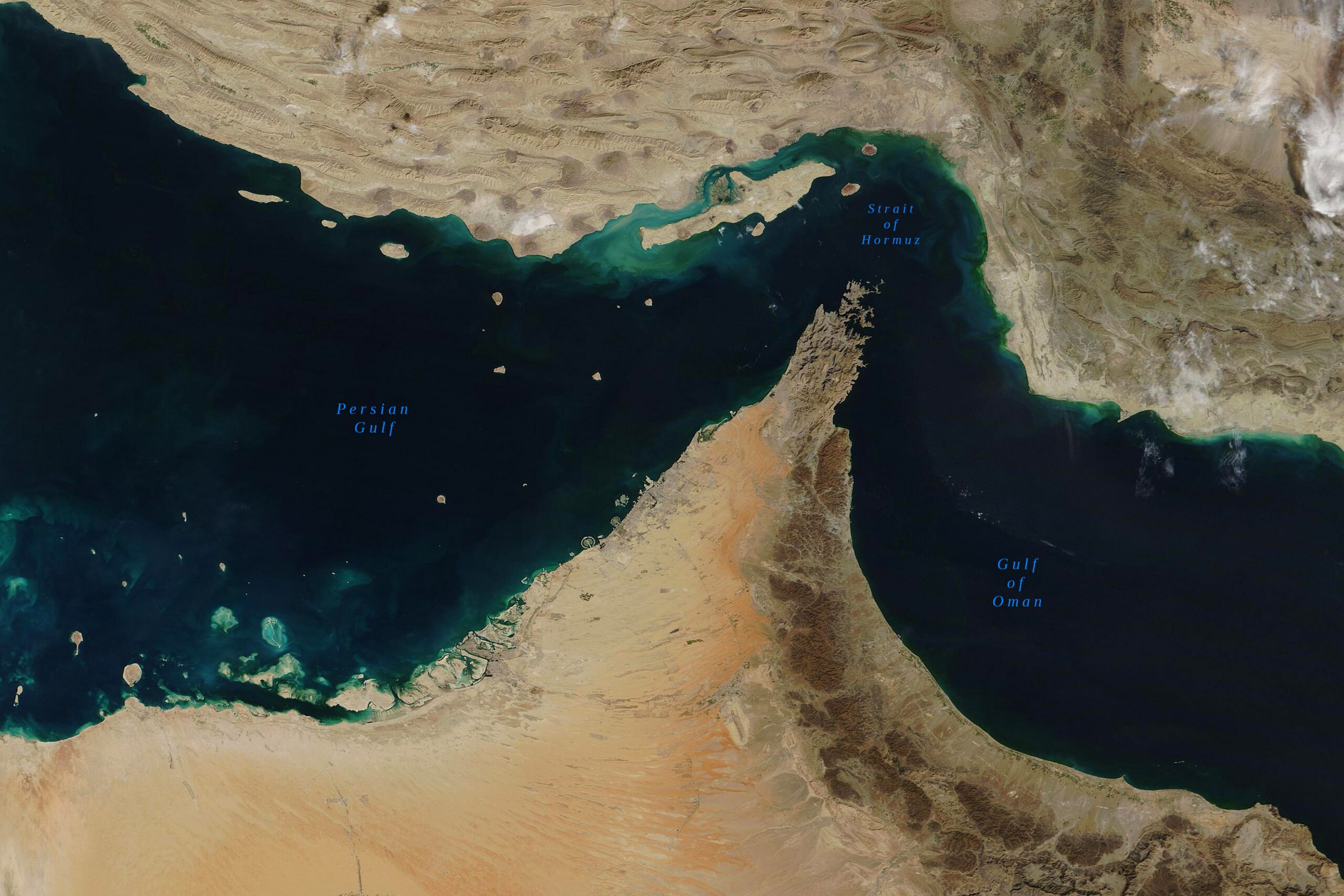
Traffic through the Strait of Hormuz is still being priced as a low-probability return to normal before the end of August, with this contract at 4% YES and broader prediction-market sentiment only marginally firmer. That leaves it well below the kind of levels implied earlier in the year, when Kalshi traders were still assigning roughly 56–61% to a recovery by August and Polymarket was around 59% to 67% for similar dates[1][4].
The key historical framing is that traders have repeatedly pulled back on the odds as disruption persisted, which makes the current price consistent with a market that has moved from “temporary shock” to “extended impairment”. By early June, Kalshi odds for a normal flow by August had already fallen to 21%, and by July a separate Kalshi view put the chance of normal traffic by December at just 43%, with Polymarket a little more optimistic at 59% by year-end[6][2]. For comparison, Polymarket’s earlier April contract on the same IMF Portwatch definition had already gone to 0% YES, underscoring how quickly this venue can reprice when transit data stay weak[17].
What traders are watching now is the IMF Portwatch seven-day moving average itself, because the contract resolves mechanically once the published “Arrivals of Ships” average reaches 60 or more. That means any sustained rebound in tanker, container, bulk, ro-ro, or general cargo transits matters more than headlines alone, although shipping-security developments and any easing in regional tensions can still move expectations ahead of the data release[17][2]. On the cross-platform comparison, the current 4% figure sits meaningfully below both the earlier Kalshi/Polymarket levels and the quoted market consensus, suggesting this contract is already discounting a very limited chance of a near-term normalisation.
Methodology
Methodologically we separate two layers: the live probability (Polymarket mid-price) and the platform attributes (fee, KYC, settlement currency, payment rails). That keeps the comparison honest — a single canonical probability across the row, with the venue-by-venue trade-offs spelt out in the columns next to it.
Resolution & payout
Settlement runs on-chain. Polymarket's contract logic separates YES and NO shares as conditional tokens; at resolution the winning share lifts to $1.00 and the losing one to $0. The outcome input comes from the UMA Optimistic Oracle, which secures against bad resolution with a bond + dispute window.
Once finalised, the smart contract pays USDC to the holders' wallets within minutes — no withdrawal fees beyond Polygon network gas. Kalshi settles in USD via CFTC clearance, Betfair in account currency net of commission, Manifold in play-money mana with no cash-out.
FAQ
- Is this market available outside the US?
- Polymarket itself is geo-blocked in the US/UK/EU. Always check the legal status of prediction markets in your jurisdiction before trading.
- How does resolution work?
- Through the UMA Optimistic Oracle on Polygon: a proposer submits the outcome, a two-hour challenge window opens, and USDC payouts settle automatically once the result is final.
- What does Polymarket cost to trade?
- Polymarket itself charges 0% — the only cost is the Polygon network fee, typically under $0.01 per transaction. Off-chain venues like Kalshi or Betfair charge 2-7% commission.
- How fast are USDC deposits?
- Polygon credits deposits after 12 confirmations — usually under 30 seconds. Withdrawals follow the same path and land back in your wallet within minutes.
- How reliable are the quoted odds?
- The YES/NO percentages are the live mid-prices of the Polymarket order book. On deep markets they move every few seconds; on thinner ones you'll see short plateaus.
%22%2F%3E%3Cpath%20d%3D%22M%206%2066%20A%2026%2026%200%200%201%2058%2066%22%20fill%3D%22%23E6B98D%22%20opacity%3D%220.9%22%2F%3E%3Ccircle%20cx%3D%2232%22%20cy%3D%2226%22%20r%3D%2222%22%20fill%3D%22%23F5CBA7%22%2F%3E%3Cpolygon%20points%3D%2216%2C18%2020%2C4%2024%2C18%22%20fill%3D%22%2322d3ee%22%2F%3E%3Cpolygon%20points%3D%2224%2C18%2028%2C3%2032%2C18%22%20fill%3D%22%2322d3ee%22%2F%3E%3Cpolygon%20points%3D%2232%2C18%2036%2C3%2040%2C18%22%20fill%3D%22%2322d3ee%22%2F%3E%3Cpolygon%20points%3D%2240%2C18%2044%2C4%2048%2C18%22%20fill%3D%22%2322d3ee%22%2F%3E%3C%2Fsvg%3E) and
and%22%2F%3E%3Cpath%20d%3D%22M%206%2066%20A%2026%2026%200%200%201%2058%2066%22%20fill%3D%22%23E6B98D%22%20opacity%3D%220.9%22%2F%3E%3Ccircle%20cx%3D%2232%22%20cy%3D%2226%22%20r%3D%2222%22%20fill%3D%22%23F5CBA7%22%2F%3E%3Cpath%20d%3D%22M%2010%2018%20Q%2016%204%2026%2010%20Q%2020%202%2032%206%20Q%2044%202%2038%2010%20Q%2048%204%2054%2018%22%20stroke%3D%22%2322d3ee%22%20stroke-width%3D%224%22%20fill%3D%22none%22%20stroke-linecap%3D%22round%22%2F%3E%3C%2Fsvg%3E)
Trade Strait of Hormuz traffic returns to normal by 2026? on Best Prediction Markets
Live order book, 0% fees, USDC settlement in seconds.
Open live market →